How Do You Know If Your Baby Has a Tongue Tie? A Guide for Parents in Columbus, Ohio
Dr. Julie Park, DMD
Oral & Maxillofacial Surgeon
As a new mom, you're navigating the joys and challenges of caring for your baby. One common issue that might not be on your radar is a tongue tie. If your baby is struggling to latch, seems fussy during feedings, or isn't gaining weight as expected, a tongue tie could be the culprit. Let's explore what tongue ties are, how to spot them, and what they look like, so you can help your baby thrive.
Watch my Video as I examine and treat a 3 week old infant to Learn More about Tongue Ties
What Is a Tongue Tie?
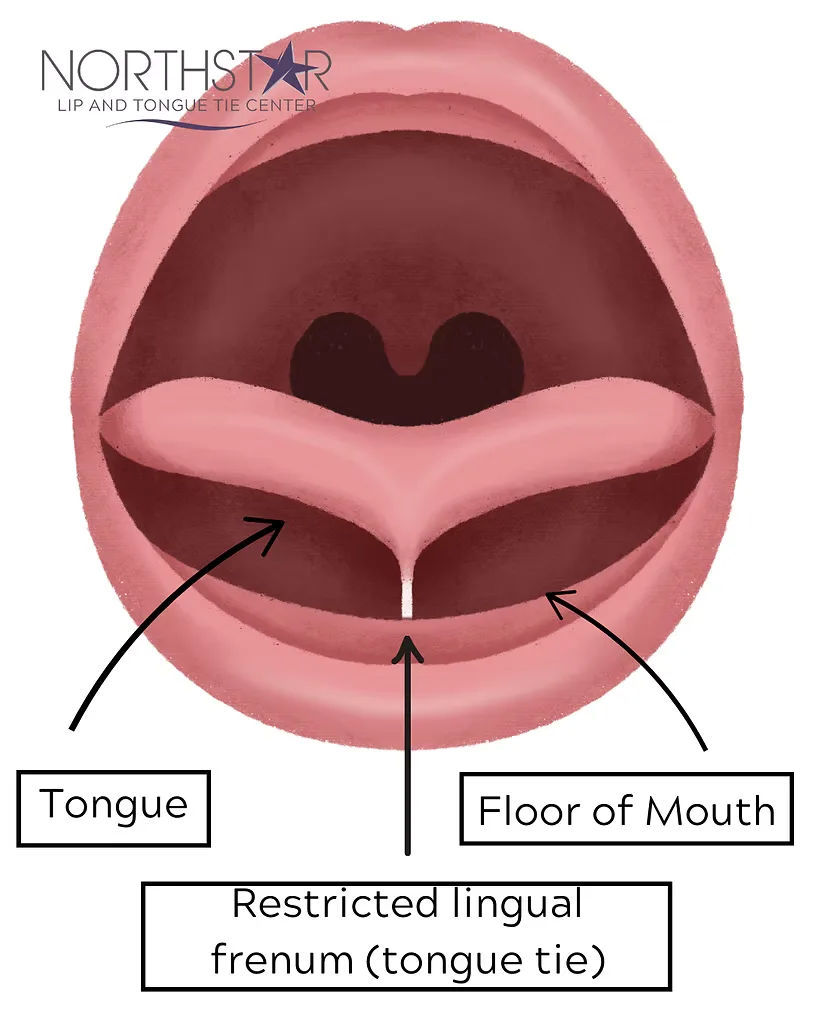
A tongue tie, or ankyloglossia, occurs when the tissue connecting the tongue to the floor of the mouth (the lingual frenulum) is too tight, short, or thick. This can limit tongue movement and interfere with critical functions like feeding, swallowing, and even breathing.
"During Breastfeeding, this restriction affects the ability of the tongue to produce the movement necessary to transfer milk from the breast to the mouth and into the posterior pharynx and prevents effective latch onto the breast. When latch is impaired, maternal nipple pain, decreased milk transfer, and infant feeding difficulties may ensue."
— Hill et al., 2022
Addressing a tongue tie early can make a world of difference in your baby's feeding experience and overall growth and development.
Learn More from the Mayo Clinic
How Do You Know If Your Baby Has a Tongue Tie?
Spotting a tongue tie isn't always straightforward, but there are some telltale signs you can look for:
Feeding Challenges
Does your baby have trouble latching or staying latched during breastfeeding? Do they make clicking sounds while feeding? Are they slow feeders and dribble milk? These can be signs of a tongue tie.
Mom's Experience
Are you experiencing plugged ducts, mastitis, over or under supply or nipple pain during breastfeeding? These could indicate that your baby isn't able to latch properly.
Fussy Feedings
Is your baby extra gassy, colicky, or frustrated during feeding sessions? Tongue ties can lead to excess air intake during feeds and this causes bloating, stomach pains, and reflux.
Slow Weight Gain
If your baby isn't gaining weight as expected, it's worth considering whether a tongue tie is affecting milk transfer.
Sleeping with Mouth Open
Does your baby grunt, snore, gasp for air, or sleep with their mouth open? Tongue ties can interfere with healthy airflow and breathing during sleep.

If you're noticing any of these signs, starting with a consultation from a lactation consultant can be a great first step. Lactation consultants specialize in identifying feeding challenges and can help determine if a tongue tie might be contributing to the problem. I specifically love working with these local trusted lactation consultants in the Central Columbus area:
Trusted Lactation Consultants in Columbus
Once a tongue tie is suspected, scheduling an evaluation with a specialist like me is the next step. During the evaluation, I'll confirm the presence and severity of the tongue tie and discuss treatment options, including a gentle, laser-based release if necessary.
What Does a Tongue Tie Look Like in a Baby?
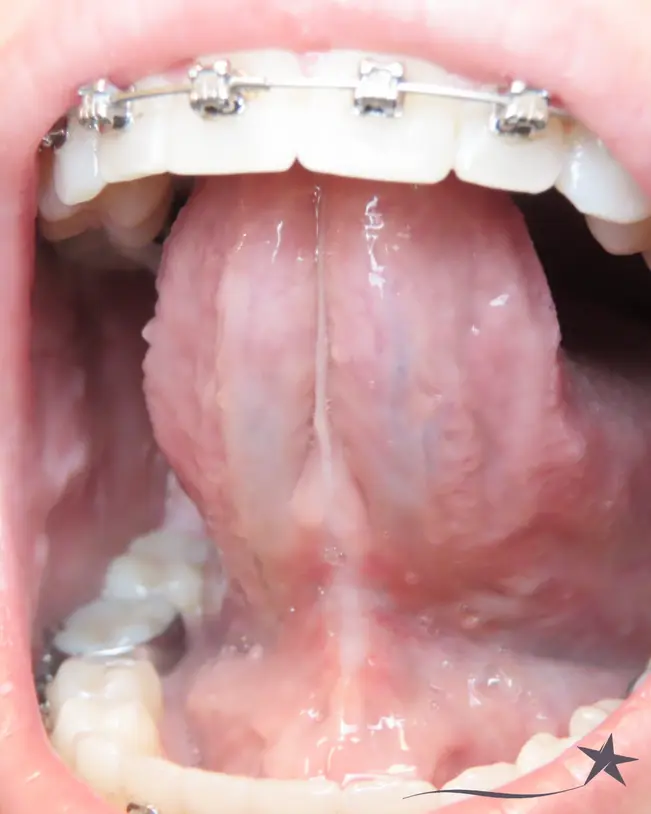
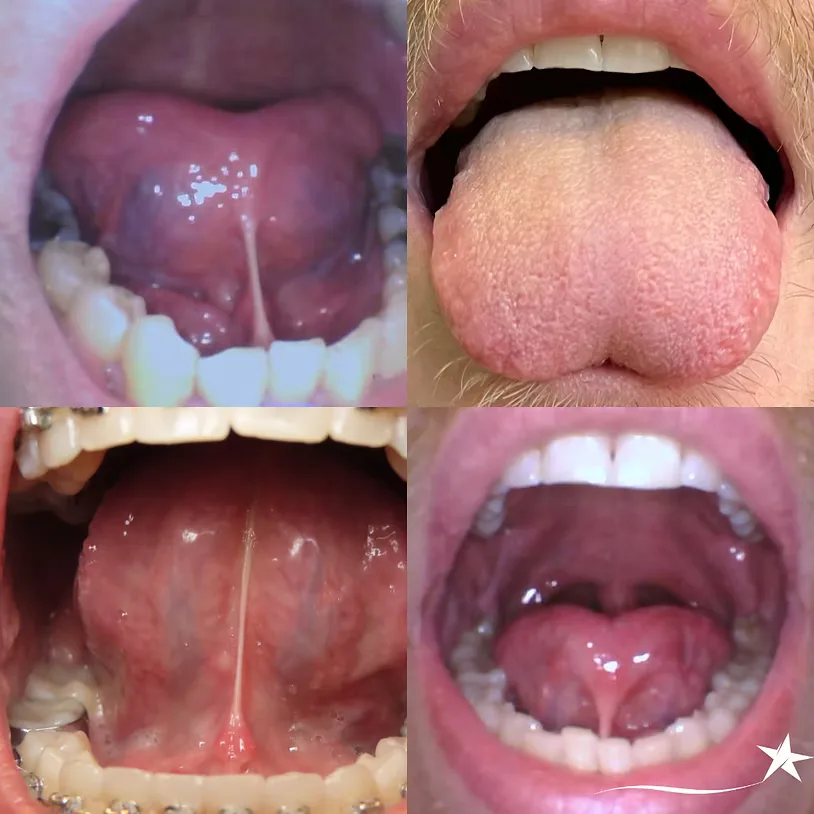
A tongue tie can vary in appearance and severity. Here's what to look for:

Keep in mind that not all ties are visibly obvious, like the ones at the tip of the tongue. Some are located further back in the mouth which can be harder to see but may still cause significant issues. A trained professional can assess your baby for both visible and hidden ties. "Diagnosis of tongue tie is dependent on tongue structure, free mobility of the tongue, and functionality of the tongue." Bottom line, not only does the appearance of the tongue matter, but also how the tongue moves and functions.
Why Addressing Tongue Ties Early Matters
Left untreated, a tongue tie can lead to ongoing challenges beyond infancy, including speech delays, dental issues, difficulties with solid foods, and changes in facial growth. Early intervention not only improves feeding but also sets the stage for better oral and overall health as your child grows.

At Northstar Family Dental's Lip and Tongue Tie Center , we specialize in evaluating and treating tongue ties using a gentle, laser-based approach. Our goal is to help your baby eat, grow, and thrive.
Support for Moms in Central Columbus
As a mom of two, I understand how overwhelming it can be to navigate feeding challenges. Both of my children had tongue ties, and my personal experience inspired me to specialize in helping families just like yours. If you suspect your baby has a tongue tie, I'm here to support you every step of the way.

Think Your Baby Might Have a Tongue Tie?
Don't wait to get the answers you need. Early detection and treatment can make a significant difference in your baby's feeding journey. If you want to know if your baby has a tongue tie, call today! Let's work together to ensure your little one has the best start in life.
Schedule a consultation today!
Call (614) 636-0338
We're here to help your family thrive.
Book ConsultationReferences
- Hill, R. R., Lyons, K. S., Kelly-Weeder, S., & Pados, B. F. (2022). Effect of frenotomy on maternal breastfeeding symptoms. Global Pediatric Health, 9, 1–10.
- Hill, R. R. (2024). Feeding and gastrointestinal symptomatology. International Journal of Orofacial Myology and Myofunctional Therapy, 50(2), 1-11.
Ready to take the next step?
Schedule a consultation with Dr. Park to discuss your concerns and explore your treatment options.
Related Articles