Tongue Ties in Adults: What They Look Like, How They Affect Your Health, and How to Fix Them
Dr. Julie Park, DMD
Oral & Maxillofacial Surgeon
You're healthy and active and you've committed to living a clean lifestyle—eating clean, exercising, and making sleep a priority. But despite your best efforts, you're still waking up tired from restless sleep, feel fatigued throughout the day, and catch yourself breathing through your open mouth.
What if the root cause of these issues isn't your health routine but something as simple—and often overlooked —as your tongue?
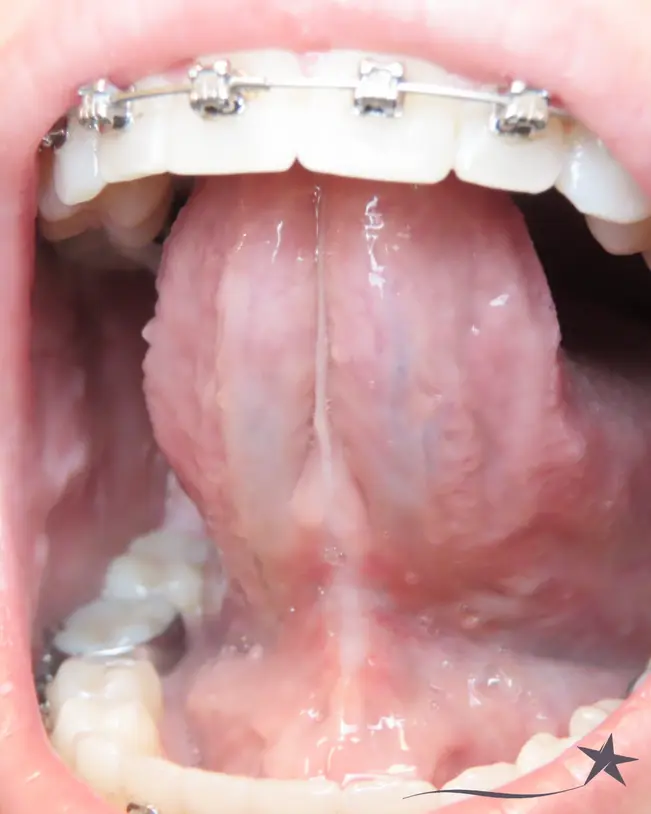
A Tongue tie, or ankyloglossia , isn't just a concern for babies; it can quietly affect adults, too with big consequences. A tongue tie occurs when the tissue under your tongue (the frenulum) is too tight, limiting its movement. This restriction can lead to chronic mouth breathing, poor sleep, neck and back pain, grinding of teeth and painful jaws, and other issues that sap your energy and impact your wellness.
At Northstar Lip and Tongue Tie Center , we specialize in diagnosing and treating tongue ties in adults, helping you achieve optimal function so you can breathe, eat, and sleep better. Here's what you need to know about tongue ties as an adult—and how addressing this often-missed issue can transform your health.
What Are Tongue Ties in Adults?
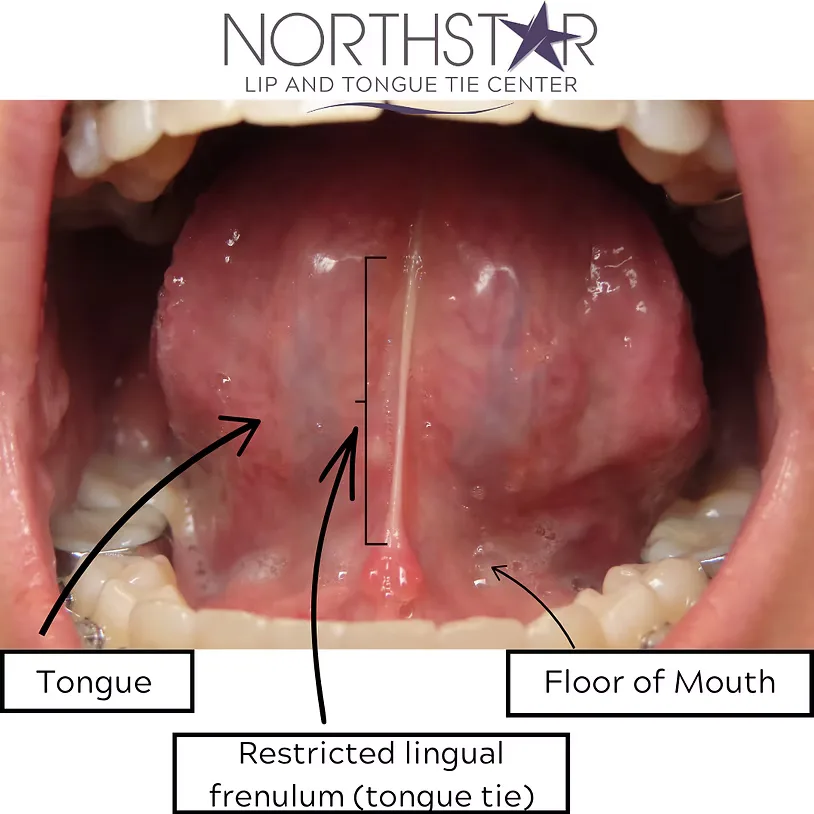
A tongue tie, or ankyloglossia, occurs when the tissue connecting the tongue to the floor of the mouth (the lingual frenulum) is too tight, short, or thick limiting the tongue's range of motion. While it's often identified in infants struggling with breastfeeding, many cases are overlooked and persist into adulthood, causing subtle but significant health challenges.
In adults, a tongue tie can lead to:
-
Mouth Breathing: This disrupts proper nasal breathing, which is essential for restful sleep and energy. Mouth breathing "results in the mouth becoming dry. This increases the risk of mouth and throat infections."
-
Chronic Fatigue: Poor oxygen exchange during sleep can leave you waking up groggy and unrefreshed.
-
Neck and Jaw Tension: Restricted tongue movement can contribute to muscle imbalances and TMJ pain. To learn more, read my post titled Tongue Ties in Adults: The Hidden Cause of TMJ Pain, Neck Tension, and Mouth Breathing .
-
Teeth Grinding: Clenching and grinding, often linked to airway issues, can worsen oral health.
-
Swallowing Difficulty: Limited tongue mobility makes it difficult to swallow pills or large bites of food.
These symptoms often go undiagnosed or are attributed to other factors. However, the tongue's position and function are critical to your overall health.
What Does a Tongue Tie Look Like in Adults?
A tongue tie can vary in appearance and severity. Here's what to look for:
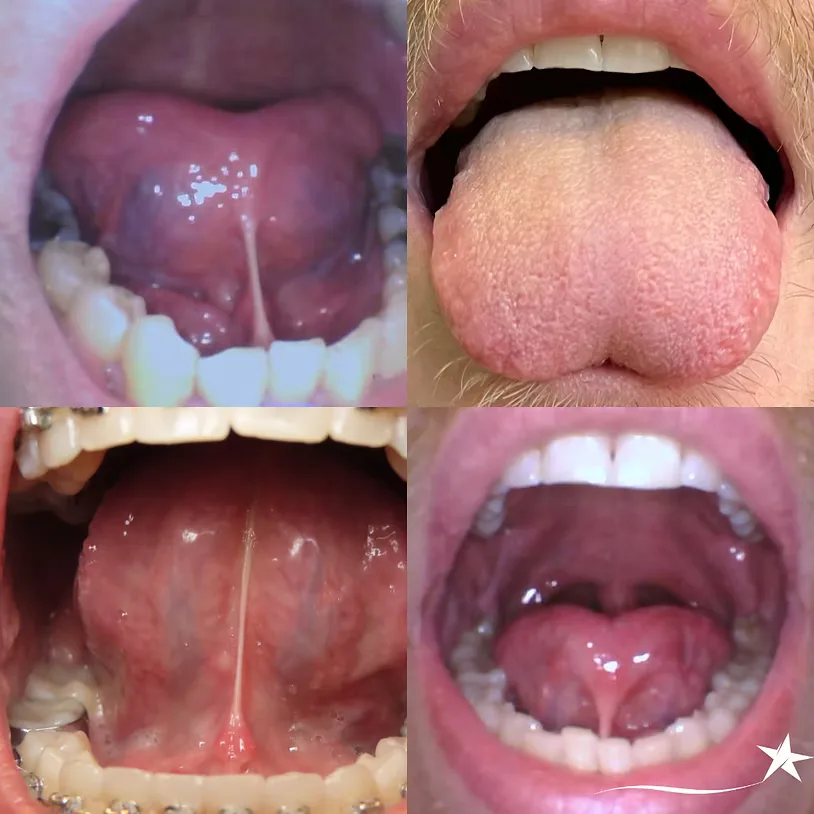
Keep in mind that not all ties are visibly obvious, like the ones at the tip of the tongue. Some are located further back in the mouth which can be harder to see but may still cause significant issues. A trained professional can assess you for both visible and hidden ties. "Diagnosis of tongue tie is dependent on tongue structure, free mobility of the tongue, and functionality of the tongue." Bottom line, not only does the appearance of the tongue matter, but also how the tongue moves and functions.
How a Tongue Tie Affects Your Breathing, Sleep, and Energy
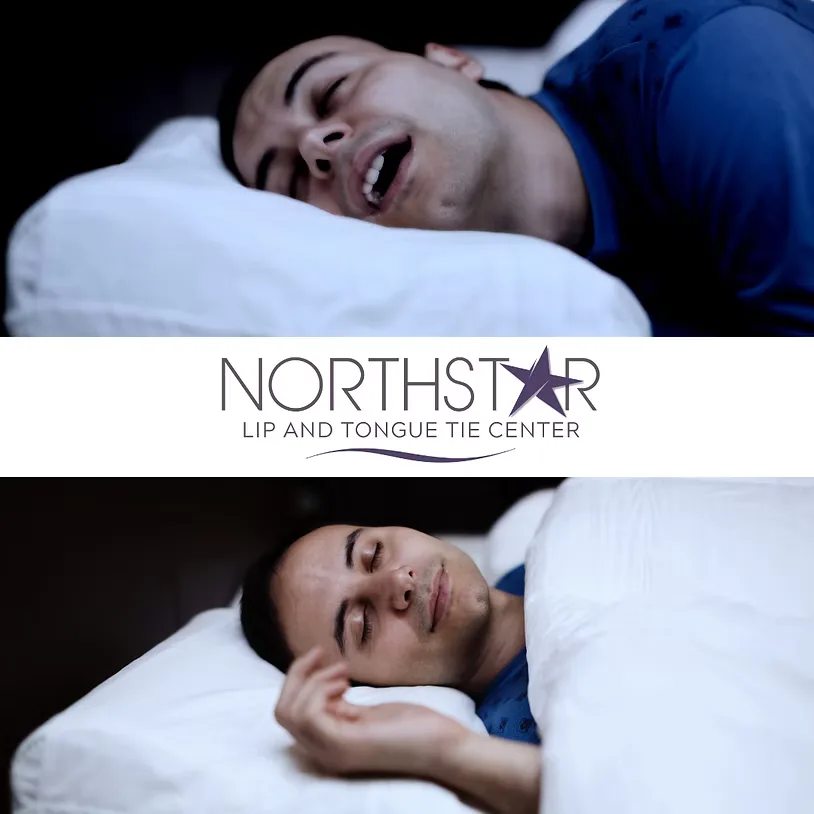
Your tongue plays a central role in how you breathe and sleep. "Upper airway patency is a core component in the patho-physiology of Obstructive Sleep Apnea. Accumulating evidence suggests that the tongue, which is the largest muscle group in the upper airway plays an important role in maintaining patency of the oro-pharynx." The optimal position of the tongue during sleep is resting naturally against the roof of the mouth. In this position, it supports nasal breathing and keeps your airway open while your mouth is closed. However, a tongue tie can prevent this ideal posture, forcing you into mouth breathing.
Mouth breathing disrupts:
-
Oxygen Intake: Nasal breathing produces nitric oxide, which improves oxygen efficiency. Mouth breathing bypasses this process, leading to less restorative sleep, heart disease, and strokes.
-
Tonsillar Size: Mouth breathing may be a factor in tonsillar enlargement.
-
Normal Facial Growth: If left untreated, mouth breathers develop long, narrow faces, narrow mouths, high palatal vaults, dental malocclusion, gummy smiles.
-
Airway Stability: Poor tongue posture can contribute to snoring or sleep apnea symptoms, even if undiagnosed.
-
Sleep Quality: Fragmented sleep leaves you feeling fatigued and unable to fully recharge.
Over time, these issues can take a toll, leading to chronic fatigue, brain fog, and reduced performance—despite all your efforts to prioritize health and wellness.
How to Fix a Tongue Tie in Adults

The solution is simple: a frenectomy . This minimally invasive procedure releases the tight frenum, restoring full tongue mobility and balanced tongue resting posture to unlock better function.
At Northstar Family Dental and in my specialized practice, I've treated countless adults with tongue ties. Patients often report:
The procedure is quick, and recovery is straightforward. Our team will guide you through personalized post-treatment exercises to ensure you see the full benefits of your release.
Ready to Transform Your Health?

If you're tired of feeling tired, struggling with mouth breathing, or wondering why your wellness efforts aren't yielding results, it's time to explore whether a tongue tie could be the missing piece.
Book a consultation with your local Oral and Maxillofacial Surgeon or if you are local to Central Ohio, call today to learn how we can help you breathe better, sleep better, and feel your best.
Your journey to optimal health starts here.
References
- Allen, R. (n.d.). The health benefits of nose breathing. Nursing in General Practice.
- Nelson, T. M., Marchant, K. A., & Kravitz, M. M. (2023). Feeding and gastrointestinal symptomatology.
- Yuen, H. M., et al. (2022). Reduced tongue mobility. Sleep, 45(1), zsab217.
- Fabbie, P., Kundel, S., & Vitruk, P. (2016). Tongue-tie functional release. Dental Sleep Practice.
Ready to take the next step?
Schedule a consultation with Dr. Park to discuss your concerns and explore your treatment options.
Related Articles