Tongue Ties in Adults: The Hidden Cause of TMJ Pain, Neck Tension, and Mouth Breathing
Dr. Julie Park, DMD
Oral & Maxillofacial Surgeon
If you're an adult struggling with chronic neck tension, TMJ pain, gastrointestinal discomfort, or teeth grinding, you may have explored various causes and seen multiple specialists without clear answers or lasting relief. What if the root cause is something as overlooked as a tongue tie?
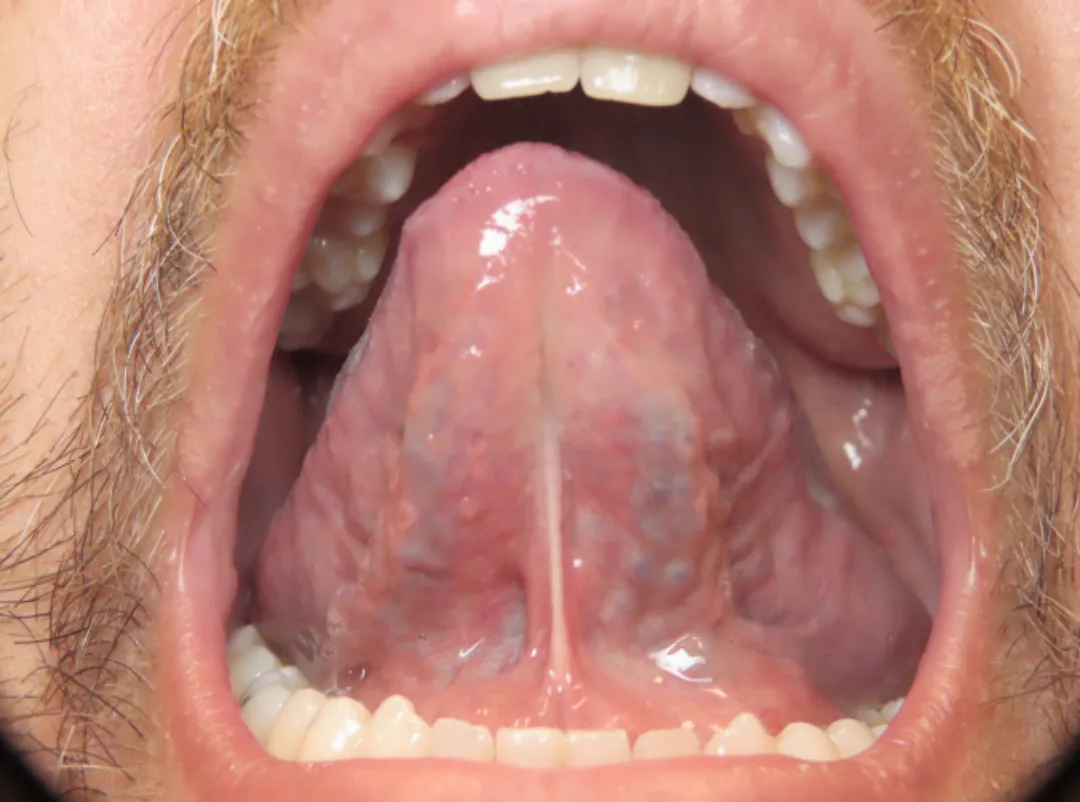
Before
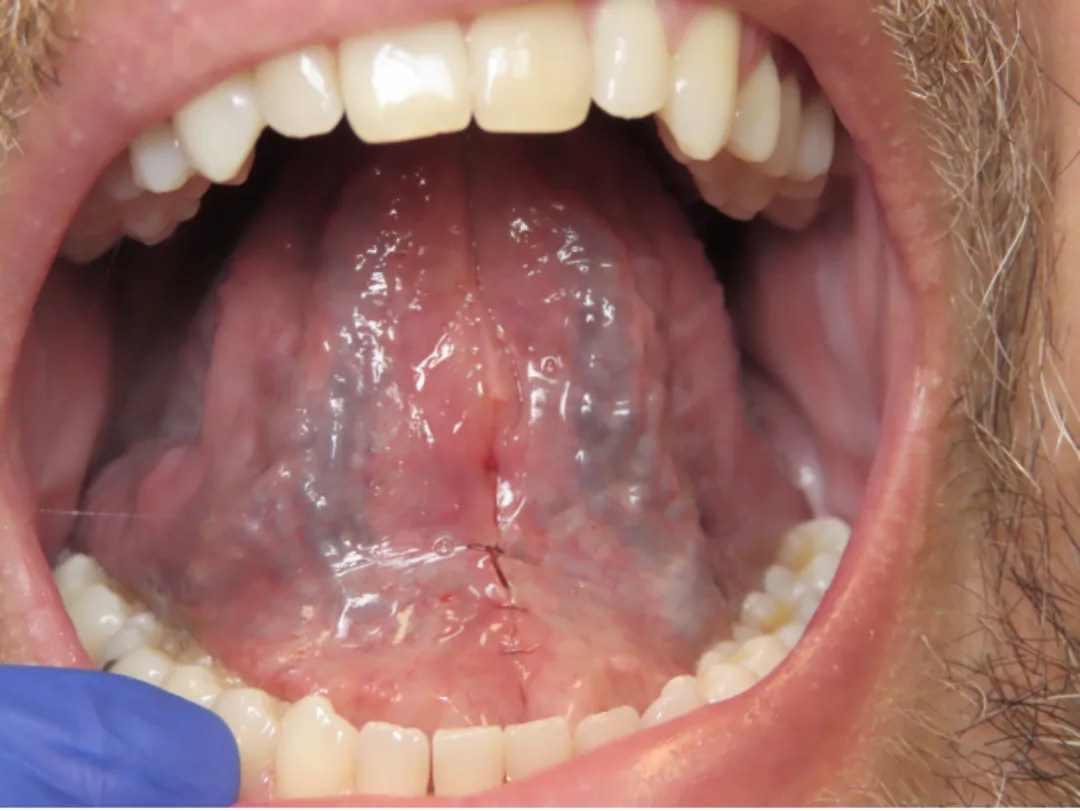
After
35 year old patient with symptoms of snoring, neck pain, and TMJ pain experienced restful sleep with less snoring and improved TMJ comfort after release.
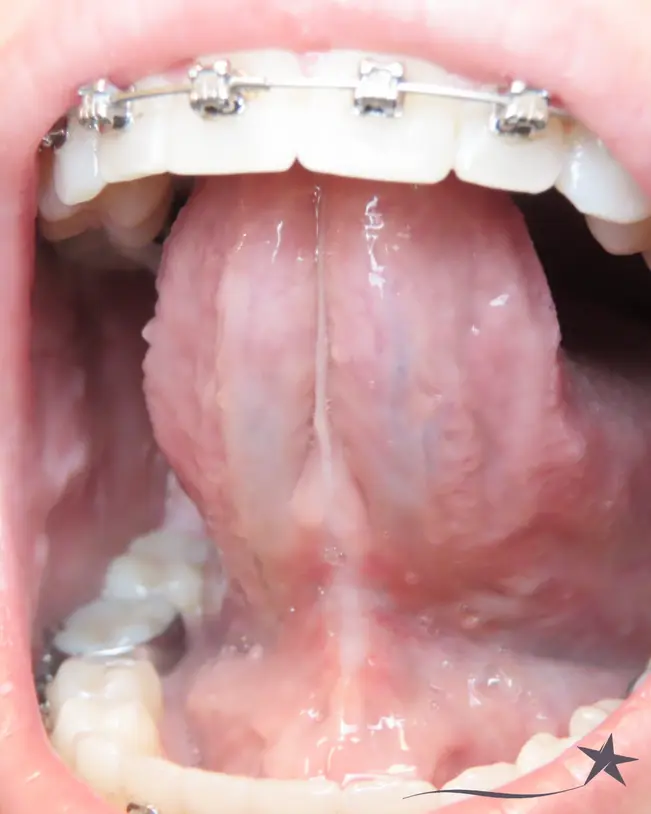
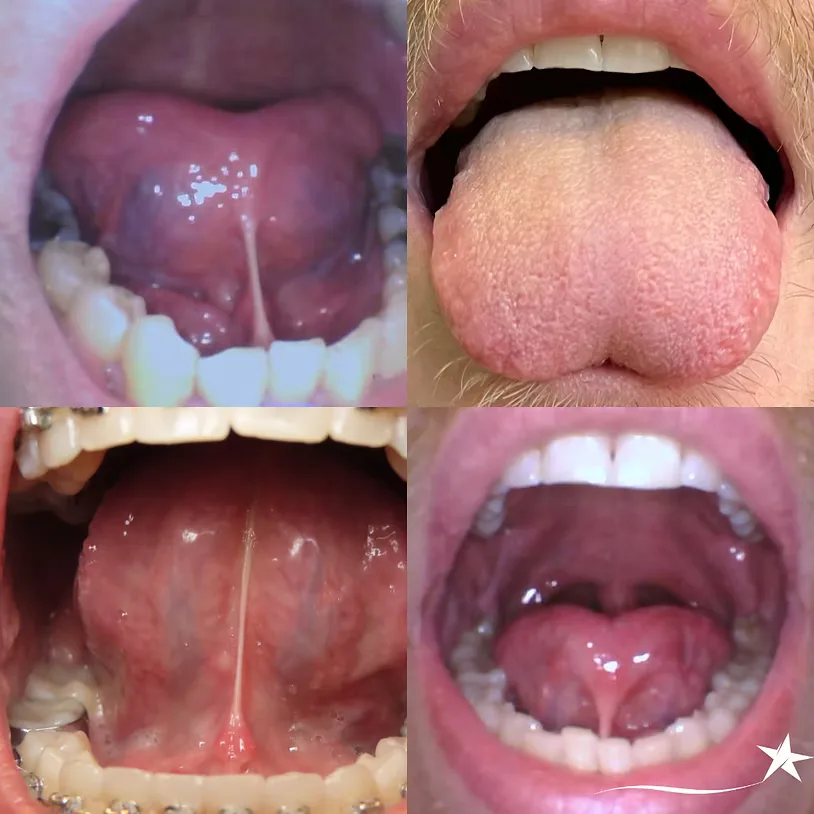
A tongue tie, or ankyloglossia, occurs when the lingual frenum, "formed by dynamic elevation of a midline fold in the floor of mouth fascia" is under tension, restricting the tongue's range of motion. While tongue ties are often associated with infants and breastfeeding issues, untreated cases can persist into adulthood, quietly contributing to a range of symptoms, including neck tension, TMJ pain, mouth breathing and more.
How Tongue Ties in Adults Contribute to TMJ and Neck Pain
1. Impact on Posture
A restricted tongue can alter oral posture, leading to a cascade of muscular compensations. The tongue plays a crucial role in stabilizing the head and neck. When its function is compromised it results in chronic tension of the muscles in the jaw and neck. These muscles are forced to compensate resulting "in the anterior displacement of the head and back shoulder blade," also known as forward head posture.
2. Mouth Breathing
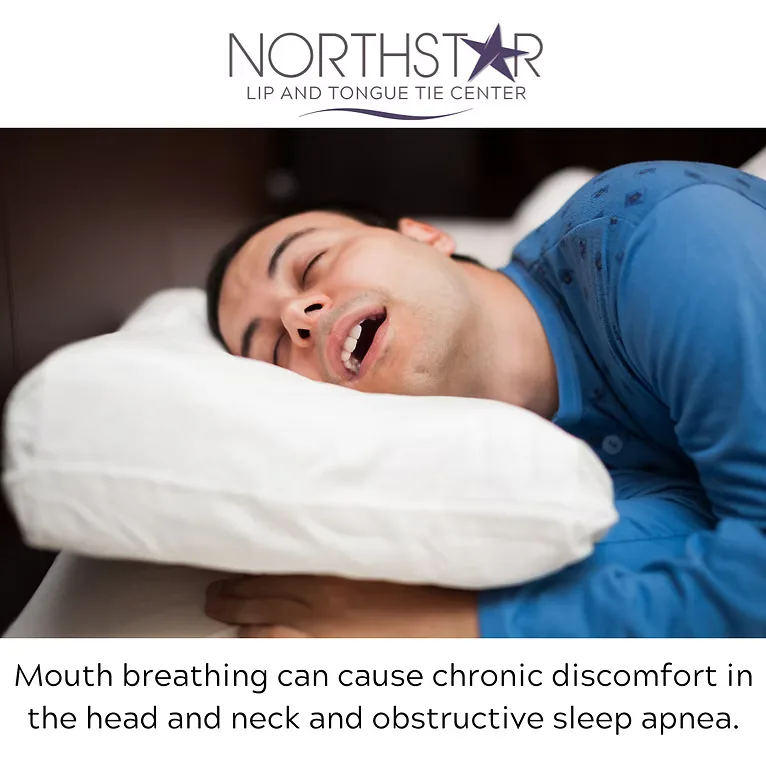
Tongue ties frequently lead to mouth breathing. This shifts the natural alignment of the head and neck forward, straining the temporomandibular joint (TMJ) and cervical spine. Over time, this can cause chronic discomfort in the head and neck and obstructive sleep apnea. "The negative impact of sleeping disorders on growth and development has been substantiated in many studies in addition to its association with high blood pressure and cardiac failures."
3. Clenching and Grinding (Bruxism) and TMJ pain
"During sleep, the tethered tongue, resting low in the mouth, can fall backward and obstruct the airway, causing difficulty in breathing. The brain responds by sending signals to the jaw to slide forward or protrude, thus opening the airway to allow air into the body." This sliding compensatory motion when the bottom teeth slide against the upper teeth is known as bruxism, or grinding. This can lead to cracks in teeth, bone pain, and TMJ pain.
Symptoms of Untreated Tongue Ties in Adults
Persistent Neck and Shoulder Tension
Jaw pain (TMJ dysfunction)
Obstructive Sleep Apnea
Open mouth breathing
The Role of Frenectomy in Relief
A frenectomy, a minimally invasive surgical procedure to release a tongue tie, can restore proper tongue mobility. When combined with physical therapy, myofunctional therapy, or breathing exercises, many patients have profound improvements in:
Neck and jaw pain
Posture and alignment
Sleep quality
While tongue ties are not the sole cause of TMJ pain or neck tension, addressing them can be life-changing for those affected. If these symptoms resonate with you, consult with a provider experienced in diagnosing and treating Tongue Ties in Adults. If you are in the Columbus, OH area schedule a consultation with Dr. Park, an expert tongue tie release specialist for adults suffering with TMJ and neck pain.
Have any questions or comments?! We'd love to hear from you. Schedule a consultation to discuss your symptoms and see if a tongue tie release could be the solution you've been searching for.
References
- Mills, N., Pransky, S. M., Geddes, D. T., & Mirjalili, S. A. (2019). What is a tongue tie? Defining the anatomy of the in-situ lingual frenulum. Clinical Anatomy, 32(6), 749–761.
- Dezio, M., Piras, A., Gallottini, L., & Denotti, G. (2015). Tongue-tie, from embriology to treatment: A literature review. Journal of Pediatric and Neonatal Individualized Medicine, 4(1), e040101.
- Jefferson, Y. (2010). Mouth breathing: Adverse effects on facial growth, health, academics, and behavior. General Dentistry, 58(1), 18–25.
- Tamkin, J. (2020). Impact of airway dysfunction on dental health. Biomedical Informatics, 16(1), 26-29.
Ready to take the next step?
Schedule a consultation with Dr. Park to discuss your concerns and explore your treatment options.
Related Articles